

Professor Ellis Owusu-Dabo, Principal Investigator of the Africa Health Collaborative at the Kwame Nkrumah University of Science and Technology, Kumasi (KNUST), has urged health professionals to become change agents in delivering compassionate and dignified palliative care.
He made the call at the opening of the Palliative Care Module One short course, now in its fourth year, organised in partnership with the University of Toronto.
Prof. Owusu-Dabo said the true measure of healthcare lies in how the most vulnerable are treated.
“A society’s measure of how they treat the vulnerable is critical,” he said. “People may not remember the money you gave them or the food you offered, but they will always remember how you made them feel.”
He recounted a personal experience at a hospital where a critically ill patient was not given urgent attention, using the incident to underscore the importance of empathy in healthcare delivery.
“We should not lose the feeling for our patients. Place yourself in the position of the person in the most vulnerable situation and ask how you would expect to be treated,” he advised.
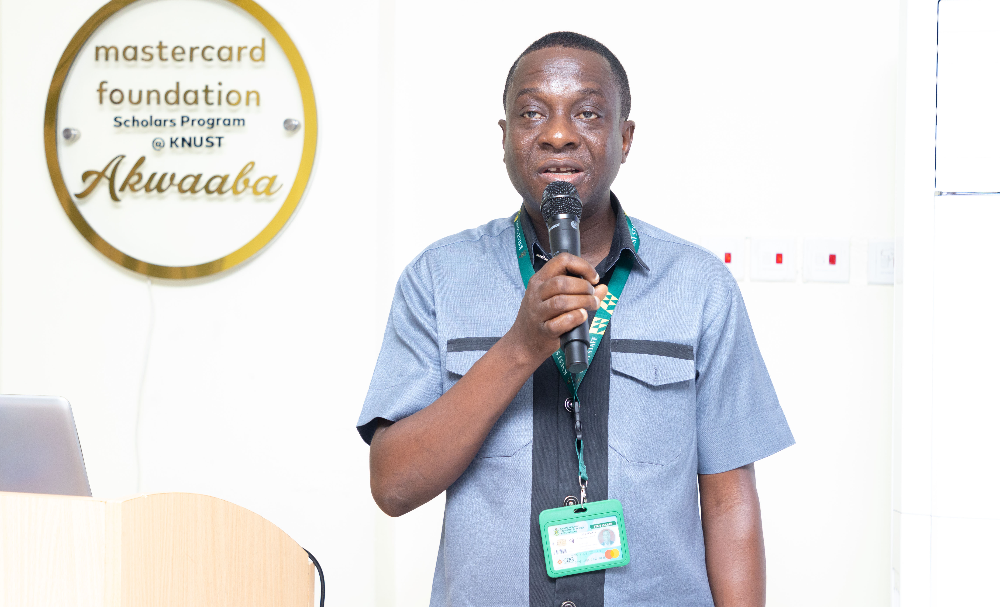
Prof. Kofi Akohene Mensah, Pillar Lead for the Health Employment Pillar (HEMP), said the Africa Health Collaborative aims to strengthen health systems in Africa through leadership development and sustainable job creation.
He said palliative care goes beyond clinical intervention and centres on compassion and dignity.
“Once you talk about palliative, it’s all about compassion. It’s all about dignity and about creating more hope for the person or people who are seriously ill,” he said.
Prof. Mensah urged participants to view the training as an opportunity to build professional networks and strengthen collaboration across facilities.
“You are not only here to acquire the knowledge, but networking is key, very important,” he said.
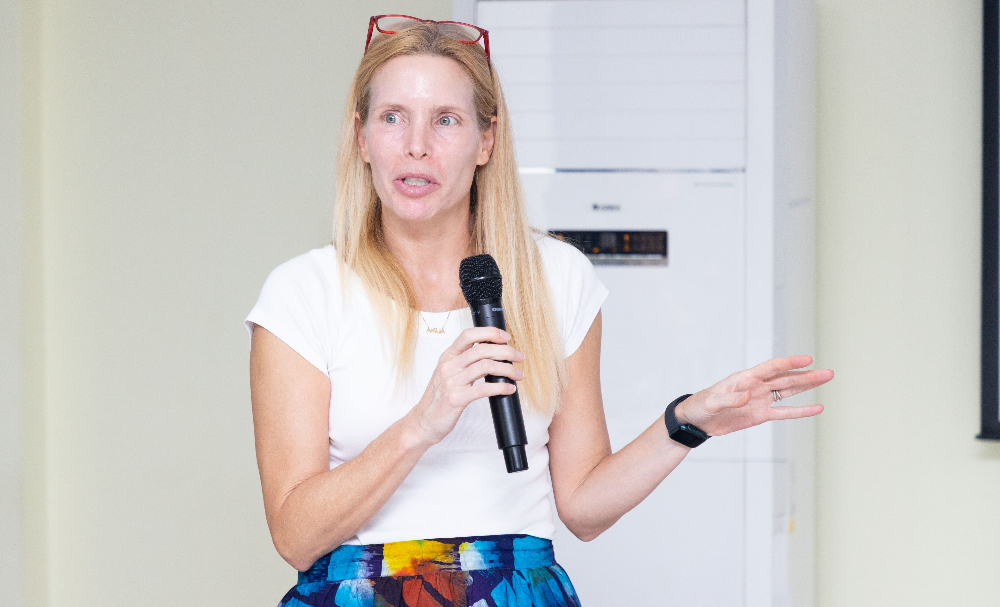
Dr Jennifer Wilson, University of Toronto Lead, said palliative care is central to a functioning health system, noting that the World Health Organization recognises it as an essential component of universal health coverage.
She encouraged participants to reflect on the difference they would make after the training.
Course leads, Professor Mawuli Gyakobo and Dr Kirsten Wentlandt, underscored the need for holistic, team-based care and prepared participants for an intensive and practical learning experience.
Prof. Gyakobo said effective care requires collaboration across professions and sustained attention to patients’ needs.
“At the end of this course, we should appreciate the holistic nature of caring for patients; great teamwork, humility and respect for each other’s profession,” he said.
Dr Wentlandt said participants would practise challenging but necessary conversations and strengthen their confidence in managing patient symptoms.
By Emmanuel Offei Photos: Belinda Opoku Danso


